IN QUETZALPAMITL
LA BANDERA ORIGINAL DE MEXIHCO
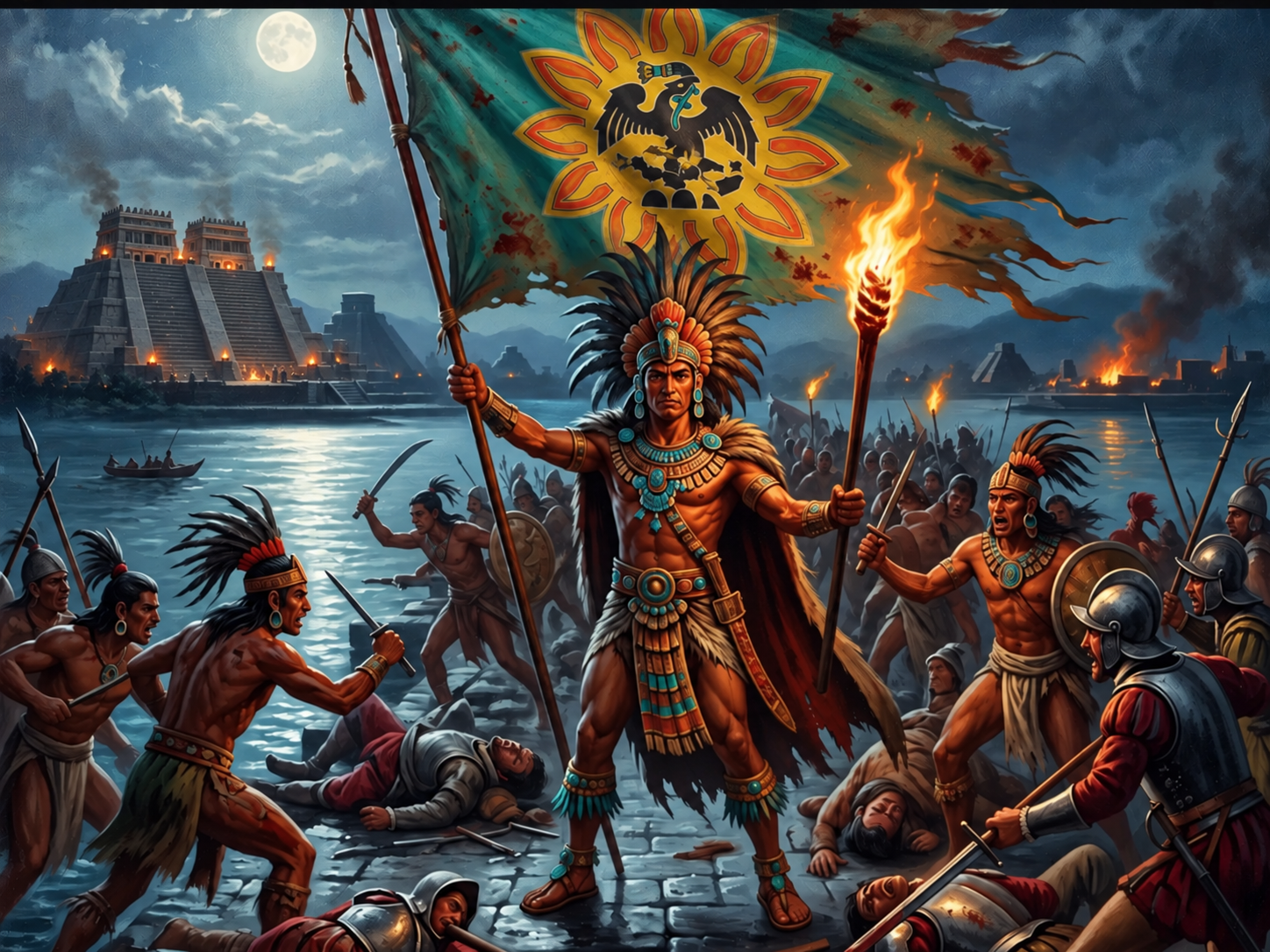
La Noche de la Victoria
Ce Ehecatl · Ome Tecpatl Xihuitl · July 1, 1520
(Julian Calendar ~ Calendario Juliano)
For seven months the Invaders held El Huey Tlahtoani Moctecuzomatzin Xocoyotzin in chains inside his own father’s palace. They Robbed the treasuries of Tenochtitlan, burned the libraries, and Massacred the nobility as they danced at the feast of Toxcatl. Then Moctecuzoma made his last move: he sent his brother out to lead the Resistance, knowing the decision would cost him his life.
His name was Cuauhtlahuac, as the Tenonotzal names him. The Invaders and their allies twisted it into Cuitlahuac, from cuitlatl, residue, excrement, the insult of men who had just been beaten by a True Warrior of his people. Written down decades later under Spanish rule, the insult became his name in the history books. An eagle warrior would never be named for what is left behind.
On the night of July 1st, 1520, after having Moctecuzoma and the leaders of Anáhuac Murdered in their chains, Cortés and his men tried to slip out of the city in the dark, weighed down with stolen gold. A woman drawing water saw them and raised the cry. The great drum sounded from the Huey Teocalli, the Templo Mayor, and under Cuauhtlahuac, warriors from Tenochtitlan and Tlatelolco filled the canals with war canoes and cut the causeway to Tlacopan apart, gap by gap. By dawn the Invaders had lost two out of every three Spaniards, all of their artillery, and the gold they had Murdered for.
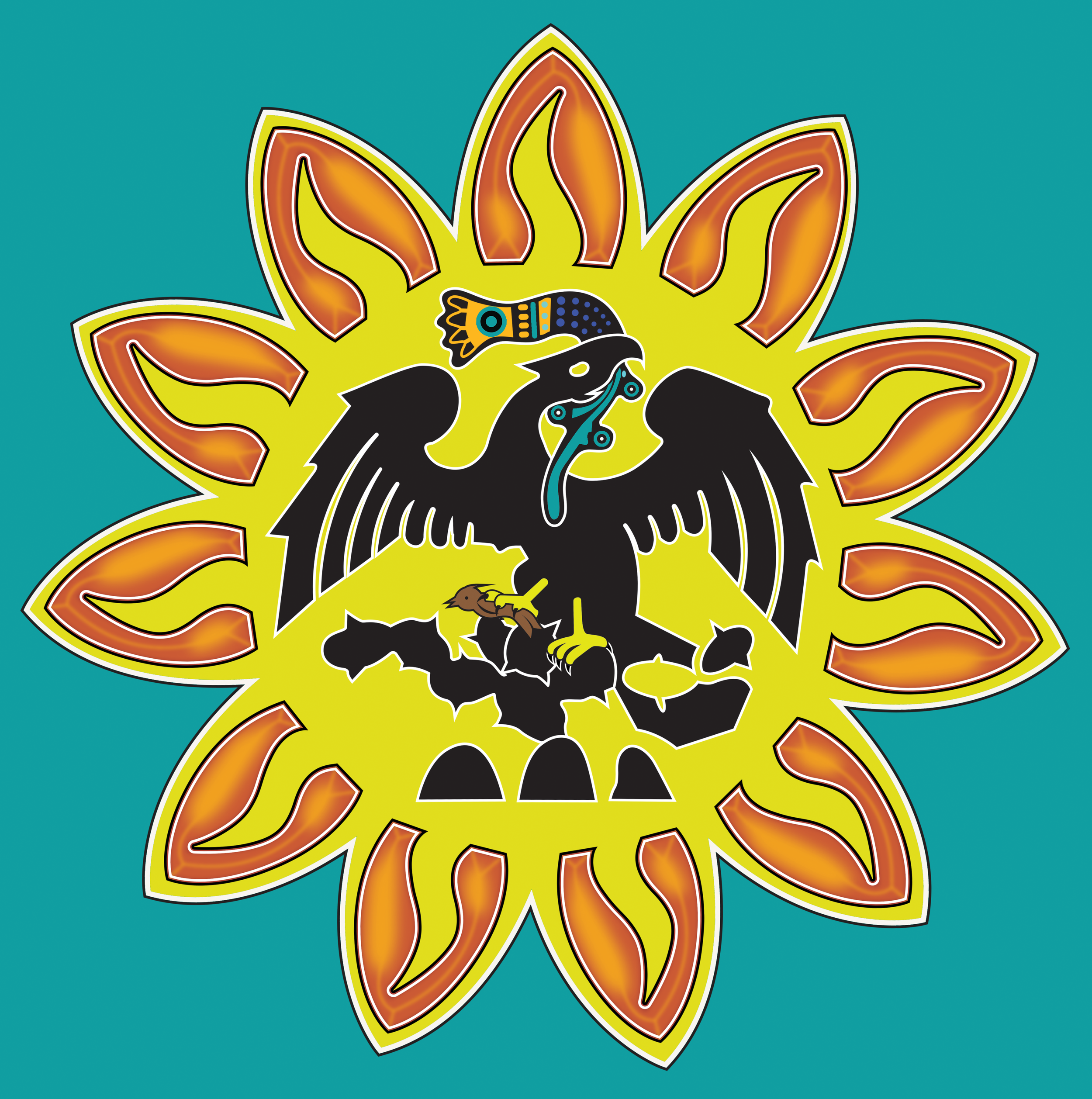
Over that night flew the Quetzalpamitl, the turquoise banner of sovereignty, with the solar eagle at its center bearing the Atl-Tlachinolli, the burning water, the symbol of opposites. It is the sun’s fire blazing on the water at dawn. It is the hiss of water striking the hot stones of the temazcal, the breath of our grandmother as we are reborn in the womb of the sweat lodge. It is the spark of light when the seed meets the egg and a new human being begins. Wherever opposites meet and become one, life is born. It is the call to sacred war: US vs. them.
That is ATL-TLACHINOLLI. It Never was a snake. Spanish history calls that night “la noche triste”. We call it what it was,
La Noche de la Victoria.
Wear the Victory. The Quetzalpamitl T-shirt and Flag bring that banner back for this generation. They’re not a costume or a trend. They’re the flag of the night our ancestors drove the Invaders out of Tenochtitlan. Wear it to ceremony, to the danza, and to class. Fly it at home or at your next gathering. Every purchase supports Huey Tlahtokan’s work of keeping this history alive.
Quetzalpamitl
La Bandera de la Victoria
The Precious and Resplendent Flag
What is the Quetzalpamitl?
In Nahuatl, Quetzal means precious and resplendent — like the sacred Quetzal bird.
Pamitl is another word for flag. Together: The Precious & Resplendent Flag.
Who discovered it?
Historian Dr. Ignacio Romero Vargas Yturbide
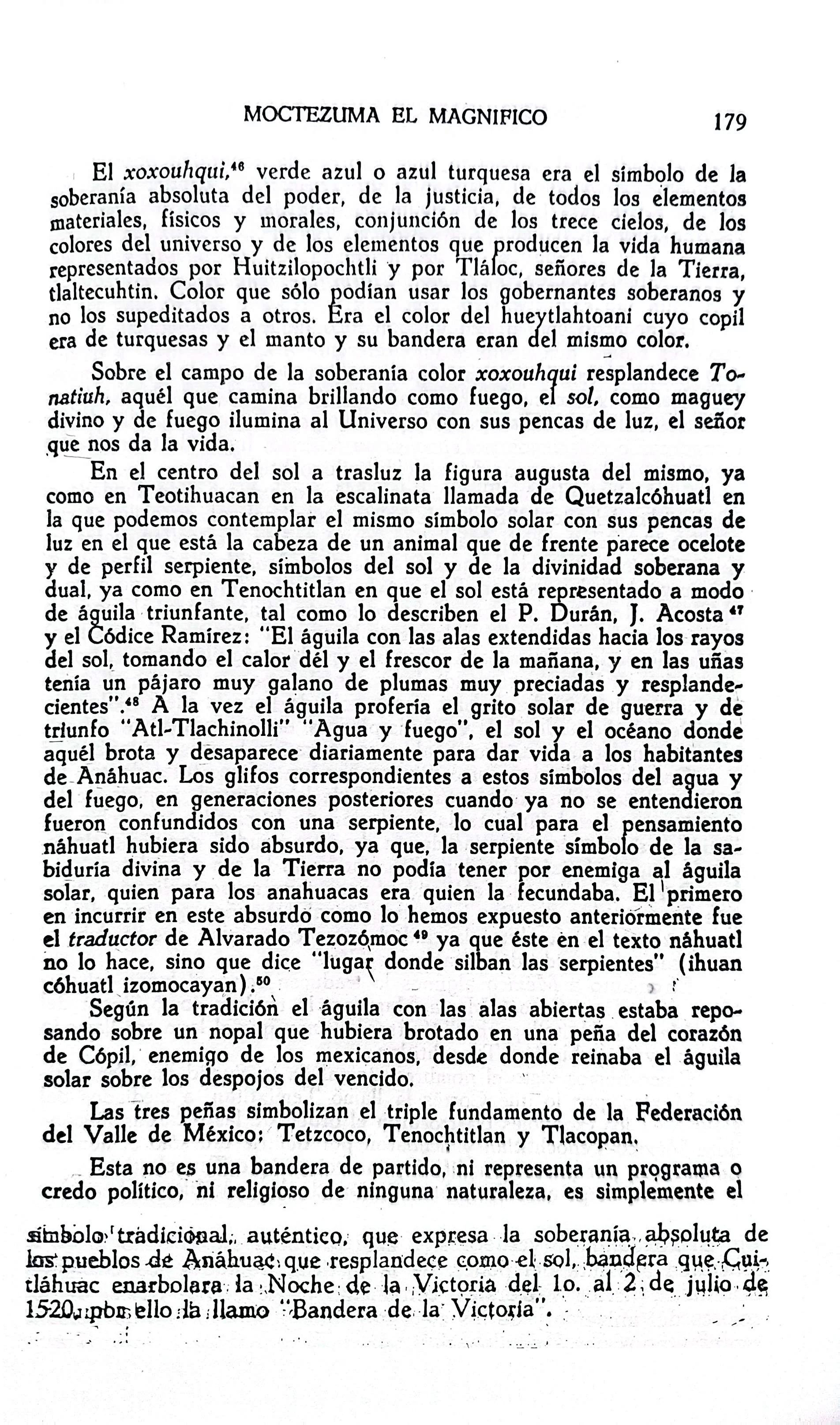
The most complete documented description of Quetzalpamitl comes from historian Dr. Ignacio Romero Vargas Yturbide in his 1964 scholarly work "Moctezuma el Magnífico," Vol. 3, page 179. Drawing on historical sources including Padre Durán, J. Acosta, and the Códice Ramírez, he described and illustrated the flag in detail. According to the TENONOTZAL or Oral Tradition, he accessed the Vatican archives to document it firsthand.
He named it "La Bandera de la Victoria."
The Symbolism
Every element carries sacred meaning:
🪨 Three Stones — Earth — the Triple Alliance: Tenochtitlan, Texcoco, Tlacopan
🦅 Wings Outspread — Wind
💧🔥 Atl-Tlachinolli — Water & Fire; The Burning Water.
Earth. Wind. Fire. Water.
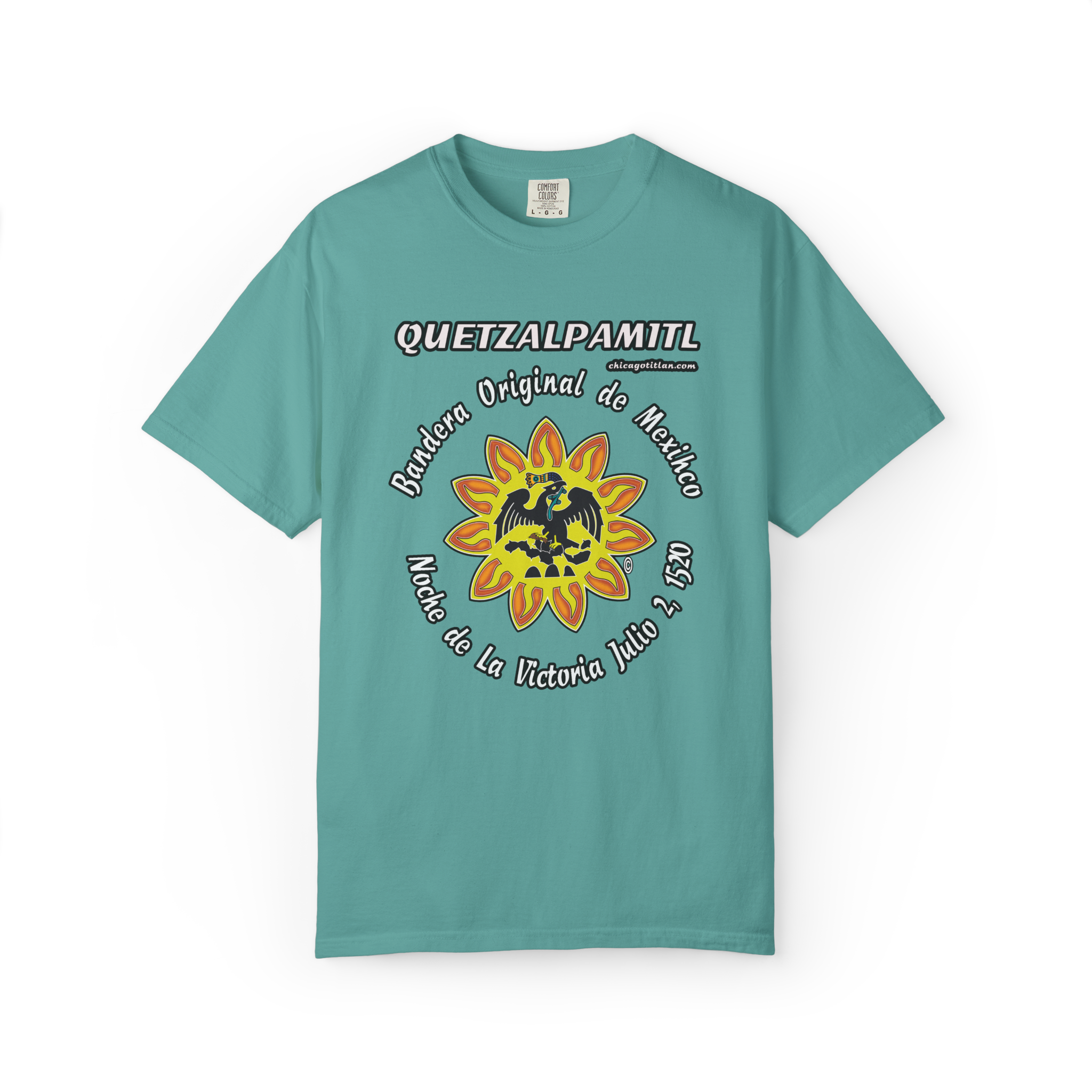
"The Quetzalpamitl — La Bandera de la Victoria better known as The Mexica Flag. Documented by historian and Catholic priest, Dr. Ignacio Romero Vargas Iturbide in 'Moctezuma el Magnifico' (1964) as the original flag of Mexihco Tenochtitlan. Showcasing The Four Elements - Earth. Wind. Fire. Water. Wear the knowledge."
READ THE SOURCE: DEFENSA HEROICA DE MEXIHCO-TENOCHTITLAN (PDF)
100% Hanes Pre-Shrunk Cotton
The Quetzalpamitl — La Bandera de la Victoria. The flag carried on the Noche de la Victoria, when the Mexihca drove the Spanish invaders out of Tenochtitlan. The name Quetzalpamitl comes from the Tenonotzal, our oral tradition; the flag is documented by historian Dr. Ignacio Romero Vargas Iturbide in Moctezuma el Magnífico, Tomo 3 (1964).
3x5 ft, double-sided, outdoor. [Material, e.g., heavy-duty polyester] with [brass grommets].
Fly the Flag! Display the knowledge!
Ships folded via USPS Ground Advantage.